

Bone Grafting in Cambridge & Easton, MD

What if Your Jawbone Can’t Support Implants? Look to Bone Grafting!

Are you among the millions seeking a permanent, life-changing solution for missing teeth? While dental implants offer the ultimate answer, sometimes the very ground they need to stand on—your jawbone—isn’t quite ready. For patients across the Eastern Shore, from St. Michaels to Denton and Salisbury, a crucial step called bone grafting may be the prerequisite to your new smile. 

At Eastern Shore Smile Solutions, home of the top dentist in Eastern Maryland, Dr. Hiers understands that the strength of your implant relies entirely on the quality of its foundation. We don’t just place implants; we build the optimal environment for them to thrive, ensuring a stable, lifelong result. Take the first confident step toward a complete smile—call us today at 410-228-4191 to schedule your personalized consultation with a dental professional.

Trusted Experience in Bone Grafting on Maryland’s Eastern Shore

Patients across Cambridge, Easton, Salisbury, and the surrounding Eastern Shore communities trust Dr. Hiers and the team at Eastern Shore Smile Solutions for precise, reliable bone grafting and implant care. With advanced training in implant dentistry and years of clinical experience, Dr. Hiers delivers predictable, long-lasting results tailored to each patient’s needs.restorative dentistry
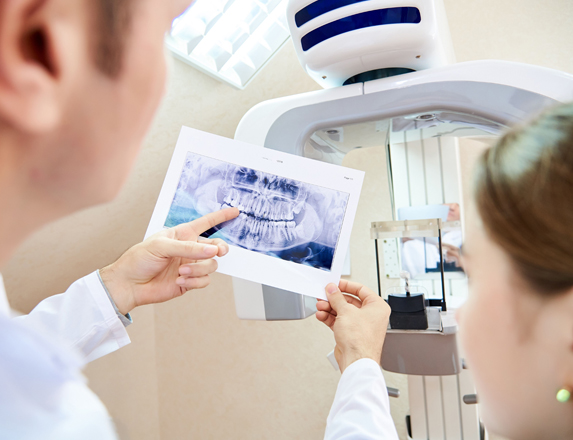
Our modern technology and patient-centered approach ensure comfort, safety, and efficiency from consultation through recovery. As a locally rooted practice, Eastern Shore Smile Solutions is known for integrity and compassionate care—helping our neighbors restore both their oral health and their confidence through oral and maxillofacial surgery.

What is Bone Grafting?

Bone grafting is a dental procedure designed to rebuild or strengthen the jawbone where bone loss has occurred. At Eastern Shore Smile Solutions, Dr. Hiers and our skilled team perform bone grafting to create a stable foundation to support dental implants or to preserve the natural shape of your face and jaw.

Using advanced grafting materials—often your own bone, human bone from donors, or biocompatible substitutes—Dr. Hiers helps your body naturally regenerate new bone over time. There are four types of bone grafting materials used in dental procedures, each tailored to specific patient needs. This ensures a strong, healthy base for long-lasting implant success and improved oral health.

When is Bone Grafting Necessary?

Bone grafting is often recommended when a patient’s jawbone has deteriorated due to tooth loss, gum disease, infection, or trauma. Bone loss can also result from aging, genetic defects, untreated periodontal disease, and trauma to the jaw. Without sufficient bone density, dental implants may not properly fuse with the jawbone.

At Eastern Shore Smile Solutions, Dr. Hiers may suggest bone grafting if you:

  • Have been missing teeth for several months or years
  • Are planning to replace teeth with dental implants
  • Show signs of jawbone recession after gum disease
  • Need additional support for dentures or other restorations

By restoring lost bone volume, grafting helps ensure that your implant or prosthetic treatment can be both secure and long-lasting. Call 410-228-4191 to learn more from our experienced dentists near you.

Benefits of Jawbone Grafting for Implant Surgery

Bone grafting offers several benefits that directly enhance the success of implant dentistry. About half of dental implant placement procedures require a dental bone graft. Patients at Eastern Shore Smile Solutions often experience:

  • Improved Implant Stability: Bone grafting ensures implants are firmly anchored into regenerated bone.
  • Enhanced Facial Aesthetics: Restoring bone structure prevents the “sunken” facial appearance caused by tooth and bone loss.
  • Long-term Oral Health: Strengthened bone prevents shifting teeth and supports healthy gum tissue.
  • Higher Implant Success Rate: Adequate bone volume greatly increases the likelihood of a successful implant fusion.

Dr. Hiers combines years of restorative experience with advanced technology to provide predictable, lasting results for each bone grafting case. 
Candidacy for Jawbone Augmentation Surgery

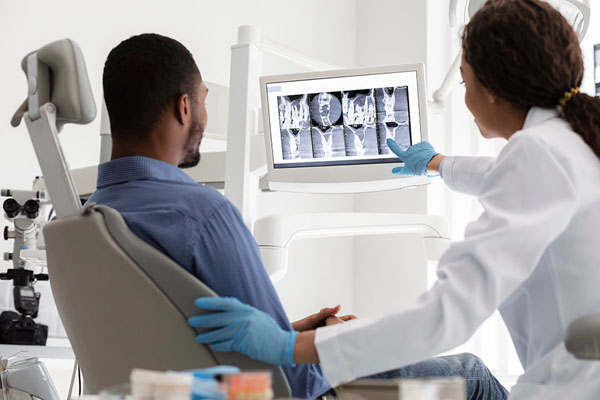
dentist showing their patient their X-raysMost healthy adults who require a dental implant but lack adequate bone are candidates for jawbone augmentation surgery. Dr. Hiers assesses candidacy based on:

  • General Health: Patients should be in good general health, with controlled chronic conditions (like diabetes) that could affect healing.
  • Oral Health: Any active gum disease or infection must be treated before the grafting procedure.
  • Smoking Status: Smoking can significantly compromise the graft’s success; cessation is strongly recommended before and after surgery.

During your consultation at Eastern Shore Smile Solutions, Dr. Hiers will review your medical history and imaging to confirm if a bone graft for implants is the right preparatory step for you.

How Does Bone Grafting for Jawbones Work?

Dr. Hiers performs the bone grafting procedure in a series of careful steps:

  1. Preparation: The site is numbed with local anesthesia, and a small incision is made in the gum tissue to expose the jawbone.
  2. Graft Placement: The chosen graft material (which may be an autograft, allograft, xenograft, or alloplast) is securely placed into the bone defect. Alloplasts are synthetic materials designed to mimic natural bone and promote bone ingrowth.
  3. Membrane Placement (Guided Regeneration): In some cases, a protective, dissolvable membrane is placed over the graft to contain the material and prevent soft tissue from growing into the space reserved for new bone.
  4. Closure: The gum tissue is gently repositioned and sutured closed.
  5. Healing: The site is left to heal for several months (typically 3 to 9), during which the body replaces the scaffold with its own strong, living bone.

This process transforms the area, providing the dense jaw bone loss treatment necessary for secure implant placement.

Aftercare Tips for Dental Bone Grafting Procedureswoman flossing her teeth

Proper aftercare plays a key role in recovery and graft success. Dr. Hiers provides detailed post-operative instructions to ensure smooth healing.

To promote optimal results:

  • Avoid touching or disturbing the grafted area
  • Follow all antibiotic and pain management directions. Antibiotics may be prescribed after surgery to reduce the risk of post-operative infection.
  • Eat soft foods and avoid hot or crunchy items for several days
  • Maintain gentle oral hygiene to prevent infection
  • Attend all follow-up appointments so Dr. Hiers can monitor healing progress

Frequently Asked Questions

Dental bone grafting is not painful. Dr. Hiers uses effective local anesthesia to completely numb the treatment area. Patients may feel slight pressure or movement, but no sharp pain. 

Post-procedure discomfort, which involves soreness, swelling, and mild aching, is common but usually peaks within the first 24 to 48 hours. This discomfort is typically manageable with prescribed pain medication and over-the-counter anti-inflammatories, often diminishing significantly within a few days.

A successful dental bone graft is permanent and designed to last the patient’s lifetime. The graft material acts as a scaffold that is gradually replaced by the patient’s own living bone through natural healing processes. Once this new, natural bone is integrated—a process called osseointegration—it becomes a stable part of the jaw structure. Its longevity is directly tied to the success of the dental implant it supports and the patient’s long-term oral hygiene and general health.

The cost of a dental bone graft varies significantly, typically ranging from a few hundred dollars to several thousand dollars. The final price depends on several factors, including the healing time, which can take four to six months :

  • Type of Graft: Simple socket preservation is less expensive than complex procedures like a large ridge augmentation or a sinus lift.
  • Material Used: Costs vary based on whether the graft uses the patient’s own bone (autograft), donor bone (allograft/xenograft), or synthetic materials (alloplast).
  • Location: The geographical area and the practice’s fees influence the price.
  • Insurance Coverage: Many medical insurance policies do not cover dental procedures, though some dental plans may offer partial coverage. Dr. Hiers’s office provides a detailed cost breakdown during the consultation.

The primary downside of a bone graft is the extended healing time required before a dental implant can be placed. Additional potential drawbacks include the need for general anesthesia in some cases:

  • Temporary Discomfort: Post-operative swelling, bruising, and mild pain are normal after a surgical procedure.
  • Risk of Graft Failure: Though rare, there is a chance the body may not fully integrate the graft material, potentially requiring a second procedure. Your oral and maxillofacial surgeon will monitor your case.
  • Donor Site Pain (for Autografts): If the patient’s own bone is harvested (autograft), there is a secondary surgical site that will also require time to heal.

Repair Your Jawbone and Prepare Your Mouth for Dental Implant Surgery

Are you tired of hiding your smile? Does the thought of eating your favorite foods without worry seem like a distant dream? If bone loss is standing between you and the permanent solution of dental implants, let Dr. Hiers and the compassionate team at Eastern Shore Smile Solutions help you take the first step toward a strong, beautiful future. 

Call our Maryland dental offices now at 410-228-4191 to schedule your initial consultation. We look forward to welcoming you from St. Michaels, Denton, and Salisbury to our practices in Easton and Cambridge, where your journey to a restored smile begins.